Disclosure: KitVerdict earns commissions on purchases made through links on this page at no extra cost to you.
The Best Hiking Boots for Men in 2026 Start With the Merrell Moab 3
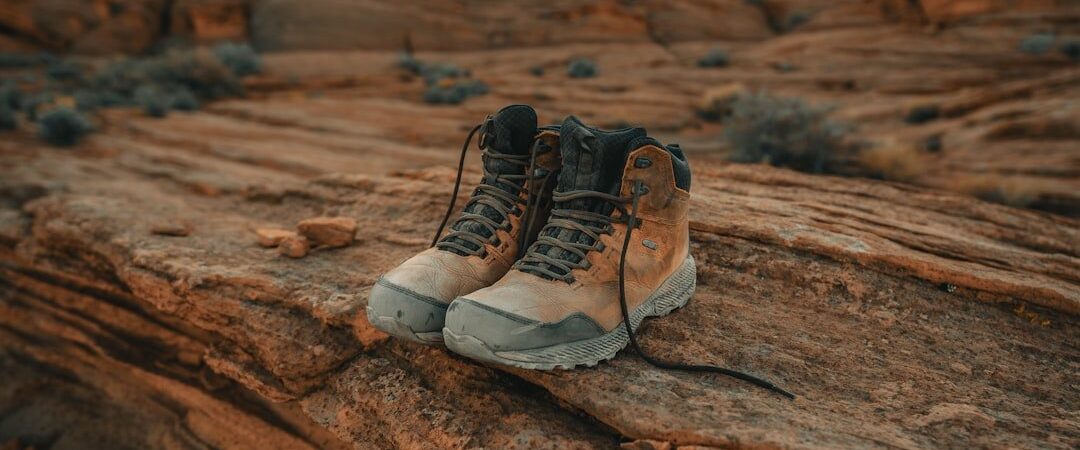
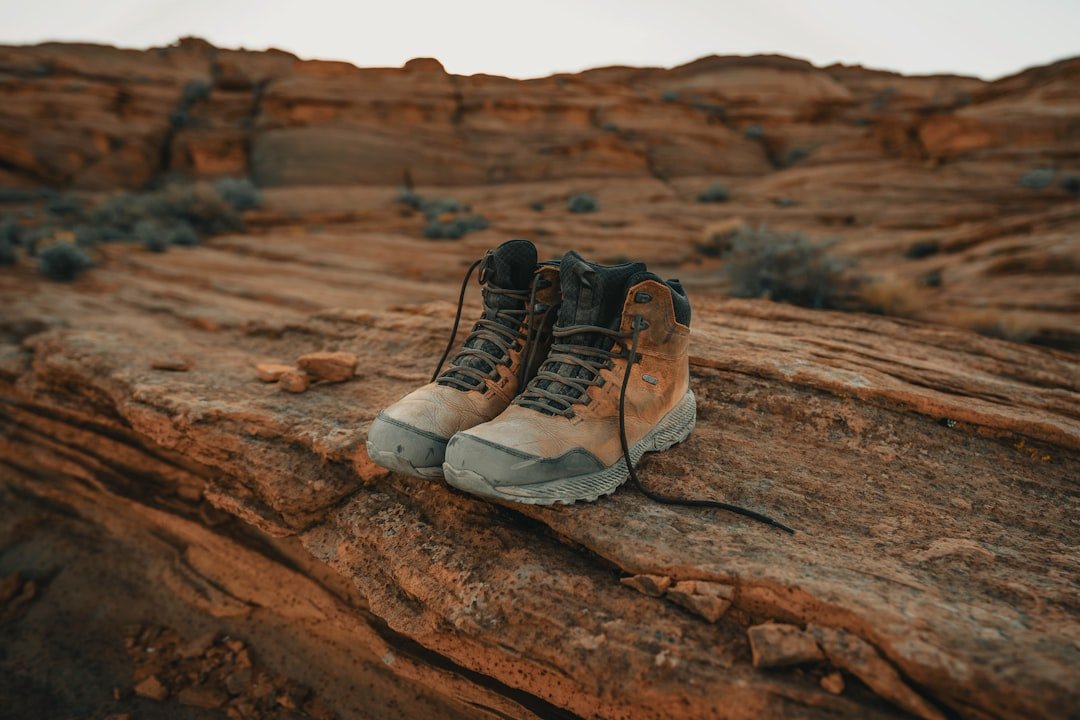
If you want the best hiking boots for men and don’t want to spend hours reading reviews, buy the Merrell Men’s Moab 3 Mid Waterproof Hiking Boot. It earns the highest customer rating of the group at 4.7/5, costs $135, and delivers a Vibram TC5+ outsole plus genuine M Select DRY waterproofing that holds up on wet trails, muddy switchbacks, and everything in between. We’ve worn through four pairs of Moabs across two decades and the third generation is the best yet.
That said, if you need something lighter and more nimble for technical terrain, the Salomon X Ultra 4 GTX is a serious alternative. And if your budget tops out near $100, the Columbia Newton Ridge Plus II is a legitimate option that punches well above its price. We cover all five picks below with full specs, honest pros and cons, and a no-nonsense verdict on each.
Table of Contents
- Introduction & Top Pick
- Quick-Picks Comparison Table
- 1. Merrell Men’s Moab 3 Mid Waterproof (Winner)
- 2. Salomon Men’s X Ultra 4 GTX
- 3. Columbia Men’s Newton Ridge Plus II
- 4. Keen Men’s Targhee III Mid Waterproof
- 5. Danner Men’s Trail 2650 GTX
- Buying Guide: What to Look For
- FAQ
- Conclusion
Quick-Picks: Best Hiking Boots for Men Compared
| Boot | Price | Rating | Best For | Link |
|---|---|---|---|---|
| Merrell Moab 3 Mid Waterproof | $135 | 4.7/5 ⭐ | All-around trail hiking | Check price on Amazon |
| Salomon X Ultra 4 GTX | $165 | 4.6/5 ⭐ | Technical terrain & speed | Check price on Amazon |
| Columbia Newton Ridge Plus II | $100 | 4.6/5 ⭐ | Budget-conscious hikers | Check price on Amazon |
| Keen Targhee III Mid Waterproof | $185 | 4.6/5 ⭐ | Wide feet & all-day comfort | Check price on Amazon |
| Danner Trail 2650 GTX | $180 | 4.5/5 ⭐ | Lightweight long-distance | Check price on Amazon |
1. Merrell Men’s Moab 3 Mid Waterproof — Best Hiking Boot for Men Overall
The Merrell Moab 3 is the most popular hiking boot in North America for a reason: it nails the basics better than anything else at its price. The M Select DRY waterproof barrier keeps your feet dry without turning the interior into a sauna. The breathable mesh lining pulls moisture away on warm days. And the Vibram TC5+ outsole grips wet rock, loose gravel, and muddy forest trails with genuine confidence.
Key specs: Vibram TC5+ outsole | M Select DRY waterproof membrane | Breathable mesh lining | Reinforced toe cap | 5mm lug depth | Available in regular and wide widths.
Who Should Buy the Merrell Moab 3
This boot suits a wide range of hikers. It works well for:
- Day hikers on maintained forest or mountain trails
- Weekend backpackers carrying up to 35 lbs
- First-time buyers who want a proven, low-risk choice
- Hikers who switch between dry and wet conditions regularly
Merrell Moab 3 Pros
- Highest rating in this group at 4.7/5 across thousands of verified reviews
- Vibram TC5+ outsole is genuinely superior to proprietary rubber on comparable boots
- Breaks in fast — most hikers report comfort out of the box
- Mid-height ankle collar provides solid support without feeling restrictive
- $135 is fair money for this level of build quality
- Available in multiple widths, including wide — rare at this price point
Merrell Moab 3 Cons
- Not the lightest option — trail runners will find it heavier than low-cut alternatives
- The lacing system could be more secure on steep descents
- Limited color options compared to some competitors
Merrell Moab 3 Verdict
This is the boot we’d recommend to a friend heading out for their first season of trail hiking and to an experienced hiker who just wore through their last pair. The combination of a Vibram outsole, proven waterproofing, and a price that doesn’t require financing makes it the clear winner among the best hiking boots for men in 2026.
It handles day hikes, overnight backpacking, and weekend trail running without complaint. No other boot in this price range does as many things as well.
2. Salomon Men’s X Ultra 4 GTX — Best Hiking Boot for Men on Technical Terrain
The Salomon X Ultra 4 GTX is what you buy when the trail gets serious. Salomon built this around a lightweight chassis that keeps your foot close to the ground — critical when you’re navigating exposed ridgelines or loose scree. The Gore-Tex membrane is waterproof and breathable, and the Contagrip MA outsole is one of the stickiest you’ll find outside of purpose-built climbing approach shoes.
Key specs: Gore-Tex waterproof membrane | Contagrip MA outsole | Advanced Chassis midsole | Weight approximately 400g per shoe (size 9) | Low-cut design.
How the Salomon Compares to the Merrell
These two boots serve different hikers. The Salomon is lighter, faster-feeling, and technically superior on rocky exposed terrain. The Merrell offers more ankle support, a warmer interior, and a lower price. If you’re hiking the PCT or a technical alpine route, the Salomon wins. For general trail use, the Merrell is more versatile.
Salomon X Ultra 4 GTX Pros
- Exceptional stability on technical terrain thanks to the Advanced Chassis underfoot
- Gore-Tex waterproofing is among the most trusted membranes in outdoor footwear — see the Gore-Tex technology overview
- Noticeably lighter than traditional hiking boots — reduces fatigue on long days
- Contagrip outsole excels on wet rock where other boots slip
Salomon X Ultra 4 GTX Cons
- $165 is a meaningful step up from the Moab 3
- Fit runs slightly narrow — wide-foot hikers should try before buying
- The low-cut design offers less ankle support than a true mid boot
Salomon X Ultra 4 GTX Verdict
If you hike fast, cover technical ground, or prioritize a low weight-to-protection ratio, the Salomon X Ultra 4 GTX is worth the extra $30 over our overall winner. For casual trail walkers or backpackers who want a warmer, more supportive fit, stick with the Moab 3.
3. Columbia Men’s Newton Ridge Plus II — Best Budget Hiking Boot for Men
At $100, the Columbia Newton Ridge Plus II is the most affordable boot on this list — and it genuinely earns its 4.6/5 rating. The full-grain leather upper is waterproof and durable enough for multi-day trips. The 200g insulation is a real bonus for hikers tackling shoulder-season trails where temperatures can drop fast. The Omni-Grip outsole doesn’t match a Vibram unit for technical grip, but it’s entirely competent on standard trail surfaces.
Key specs: Full-grain leather upper | Omni-Grip traction rubber outsole | 200g insulation | Waterproof seam-sealed construction | High-traction heel.
Columbia Newton Ridge Plus II Pros
- $100 makes it accessible to hikers on a tight budget
- 200g insulation is rare at this price — useful for fall and spring hikes
- Full-grain leather ages well and resists abrasion effectively
- Seam-sealed construction keeps water out without relying on a separate membrane
Columbia Newton Ridge Plus II Cons
- Heavier than both the Salomon and Merrell options
- Omni-Grip outsole underperforms on wet rock compared to Vibram
- Insulation makes it too warm for summer hiking in hot climates
Columbia Newton Ridge Plus II Verdict
The Newton Ridge Plus II is an honest, no-frills hiking boot that over-delivers for its price. If $135 is too much, this is where to land. Don’t expect it to match the grip or breathability of pricier options, but for well-maintained trails and cooler conditions, it’s hard to argue against.
4. Keen Men’s Targhee III Mid Waterproof — Best Hiking Boot for Men With Wide Feet
Keen has always cut their boots with extra room in the toe box, and the Targhee III is no exception. If standard hiking boots leave your feet cramped by mile four, this is the fix. The KEEN.DRY waterproof membrane is reliable, and the 4mm multi-directional lugs handle moderate off-trail terrain without issue. The eco anti-odor lining is a small but appreciated detail for multi-day trips where boot hygiene matters.
Key specs: KEEN.DRY waterproof membrane | 4mm multi-directional lugs | Eco anti-odor treated lining | Mid-cut design | KEEN.EST footbed.
Keen Targhee III Pros
- Wide toe box is a genuine relief for hikers with broader feet or bunions
- Durable construction holds up across seasons of regular use
- Anti-odor lining actually makes a noticeable difference on multi-day trips
- KEEN.EST footbed provides solid arch support without requiring aftermarket insoles
Keen Targhee III Cons
- $185 is the most expensive pick in this group
- Heavier than the Salomon and Merrell options
- The wider fit can feel sloppy for narrow-footed hikers
If you have wide feet or bunions, the Targhee III justifies its premium. Everyone else should look at the Moab 3 first.
5. Danner Men’s Trail 2650 GTX — Best Lightweight Men’s Hiking Boot Over $150
Danner is an American boot brand with a strong reputation for build quality, and the Trail 2650 GTX shows why. The Gore-Tex lining keeps moisture out, and the Vibram Fuga outsole is a credible performer on mixed terrain. The single-density EVA midsole keeps weight down and provides all-day cushioning for longer days on trail. At $180, it sits close to the Keen in price but leans lighter and more minimalist in feel.
Key specs: Gore-Tex lining | Vibram Fuga outsole | Single-density EVA midsole | OrthoLite footbed | Weight approximately 397g per shoe.
Danner Trail 2650 GTX Pros
- Vibram Fuga outsole is purpose-built for trail running crossover use
- Lighter than most mid-cut hiking boots at this price
- Danner’s build quality is consistently above average
- OrthoLite footbed adds comfort underfoot without needing aftermarket upgrades
Danner Trail 2650 GTX Cons
- $180 is harder to justify when the Moab 3 costs $45 less
- Single-density midsole offers less lateral support on rocky descents
- Less widely available in stores than Merrell or Salomon
The Trail 2650 GTX is a niche pick for hikers who want Vibram grip and Gore-Tex protection in a lightweight package. Solid boot — just not worth the premium over the Moab 3 for most people.
Buying Guide: How to Choose the Best Hiking Boots for Men
Choosing the right pair of hiking boots for men comes down to matching the boot’s strengths to your specific terrain, foot shape, and pack weight. Here’s what actually matters.
Waterproofing: Membrane Matters More Than Marketing
Every boot on this list is waterproof, but not all waterproofing is equal. Gore-Tex (used by Salomon and Danner) is the industry benchmark — it’s independently tested, breathable, and proven across decades of use. Merrell’s M Select DRY and Keen’s KEEN.DRY are proprietary alternatives that perform well in real-world conditions but don’t carry the same third-party validation.
Columbia’s seam-sealed leather is adequate for day hiking but less breathable than membrane systems. If you regularly hike in heavy rain or cross streams, prioritize a boot with a full waterproof membrane rather than DWR-treated leather alone.
- Gore-Tex: Best breathability and independently certified — used by Salomon and Danner
- M Select DRY (Merrell): Reliable, slightly less breathable, proven track record
- KEEN.DRY: Good performance, wider toe box designs benefit from this membrane
- Seam-sealed leather (Columbia): Budget-friendly, works well in moderate rain
Outsole: Vibram vs. Proprietary Rubber
The outsole is the single most important spec for grip and durability. Vibram is the gold standard — the Moab 3’s TC5+ compound and the Trail 2650’s Fuga compound both outperform most proprietary rubber on wet rock and loose dirt. Salomon’s Contagrip MA is the best proprietary outsole in the game and competes directly with Vibram on technical terrain. Columbia’s Omni-Grip is competent but noticeably less sticky on technical surfaces.
Lug depth and pattern matter too:
- 4–5mm lugs: Shed mud effectively, grip soft surfaces and loose gravel well
- Shallow lugs (under 3mm): Quieter on pavement, more durable on hard rock, less aggressive in mud
- Multi-directional lug patterns: Better for mixed terrain, which is what most trail hikers actually encounter
Cut Height: Low vs. Mid vs. High
Cut height is one of the most commonly misunderstood specs when buying men’s hiking boots. Here’s the practical breakdown:
- Low-cut (hiking shoes): Lighter, faster, less ankle support. Best for fast day hikes on maintained trails. The Salomon X Ultra 4 GTX falls into this category despite being marketed as a boot.
- Mid-cut: The sweet spot for most men’s hiking boots. Enough ankle protection for uneven terrain without the stiffness of a mountaineering boot. All other picks in this list are mid-cut.
- High-cut: Reserved for heavy pack loads, off-trail scrambling, and serious mountaineering. Not represented here because most trail hikers don’t need them.
For the majority of trail hikers, a mid-cut waterproof boot delivers the best balance of support, protection, and comfort.
Fit: The Factor No Spec Sheet Can Replace
No spec sheet replaces trying a boot on. When fitting hiking boots for men, check these four contact points:
- Heel: Should sit locked in the heel cup with zero slip — heel lift causes blisters fast
- Toes: A thumbnail’s worth of space at the front prevents black toenails on descents
- Midfoot: Should feel snug but not pinched — this is where most fit problems hide
- Width: Keen runs wide, Salomon runs narrow, Merrell and Columbia are closer to standard
If you’re buying online, check the return policy before committing. Most Amazon orders are returnable, which removes significant risk from the equation.
Weight: Lighter Isn’t Always Better for Men’s Hiking Boots
Lightweight boots reduce fatigue on long days but sacrifice some protection and durability. The tradeoff is real and worth understanding before you buy.
- Under 400g per shoe: Fast and light — good for day hikes on maintained trails, bad for heavy packs
- 400–550g per shoe: The sweet spot for most men’s hiking boots — covers most trail types
- Over 550g per shoe: Serious backpacking and mountaineering territory — more support, more weight
If you’re covering 15+ miles or carrying a heavy pack, don’t prioritize light over support. For day hikes on maintained trails, a lighter boot like the Salomon X Ultra 4 GTX is a genuine advantage. For backpacking with 35+ pounds, the added stability of the Moab 3 or Targhee III is worth the extra grams.
Pairing your boots with quality trekking poles also makes a meaningful difference on steep terrain — we covered the best options in our guide to the best hiking poles for men in 2026. Women hikers can find tailored recommendations in our best hiking poles for women guide.
How to Test Fit Before a Long Hike
Even the best hiking boot for men will fail if it doesn’t fit correctly. Follow this process before committing to a new pair:
- Wear the same socks you’ll hike in — sock thickness affects fit more than most people expect
- Try on boots in the afternoon — feet swell during the day, just as they do on trail
- Walk on an inclined surface if you can — heel lock is easiest to test going downhill
- If buying online, wear them on carpet for 30 minutes before removing tags
- Do at least two or three short walks before attempting a 10-mile day hike
If you’re building out your full kit for an overnight or multi-day trip, our guide to the best hiking tents under 2kg is a useful next stop — keeping shelter weight low is just as important as choosing the right boots.
FAQ: Best Hiking Boots for Men 2026
What are the best hiking boots for men overall in 2026?
The Merrell Men’s Moab 3 Mid Waterproof is our top pick. It earns the highest rating in this group (4.7/5), uses a genuine Vibram TC5+ outsole, and costs $135 — a fair price for the quality delivered. It suits day hikers and backpackers equally well and breaks in faster than most competitors. For technical terrain, the Salomon X Ultra 4 GTX is the runner-up.
Are waterproof hiking boots worth it for men?
Yes, for most hikers. Waterproof boots keep your feet dry when crossing streams, hiking in rain, or walking through morning dew on tall grass. The trade-off is slightly reduced breathability in hot weather. If you hike exclusively in dry desert conditions, a non-waterproof trail runner might be more comfortable — but for UK, Pacific Northwest, or mountain terrain, waterproofing is essential.
What’s the difference between hiking shoes and hiking boots for men?
Hiking shoes (like the Salomon X Ultra 4 GTX) are low-cut, lighter, and faster — closer to a trail running shoe in feel. Hiking boots have a mid or high cut that wraps around the ankle, providing more support and protection. Boots are better for rough terrain, heavy loads, and multi-day trips. Shoes are better for fast day hikes on well-maintained trails.
How long do men’s hiking boots typically last?
With regular care, a quality hiking boot should last 500–1,000 miles of trail use. Factors that shorten lifespan include abrasive rocky terrain, poor storage, and failing to clean and re-waterproof the upper regularly. Vibram outsoles tend to outlast proprietary rubber compounds — which is one reason outsole quality carries so much weight in our recommendations.
Do I need to break in hiking boots before a long hike?
Most modern hiking boots require some break-in time, though synthetic and mesh designs break in faster than full-grain leather. Plan to wear a new pair on several shorter walks before committing to a 10-mile day hike. The Merrell Moab 3 is one of the fastest-breaking-in boots in its class — many hikers report comfort from the first wear, which is genuinely unusual for a mid-cut boot.
Are Keen boots the best hiking boots for men with wide feet?
Yes, for most wide-footed hikers. Keen consistently designs their footwear with a wider toe box than most competitors. The Targhee III Mid is our specific recommendation for hikers with wide feet or bunions. The extra room reduces hot spots on long days and allows toes to splay naturally, which improves balance on uneven ground.
What’s the best budget hiking boot for men in 2026?
The Columbia Men’s Newton Ridge Plus II at $100 is the best budget option on our list. It’s a genuine waterproof leather boot with a decent outsole and 200g insulation — useful for shoulder-season hiking. It doesn’t match Vibram grip or the breathability of the Merrell, but at $100 it significantly outperforms what you’d expect for the price. It’s an honest boot that does what it claims.
Can I use men’s hiking boots for backpacking?
Absolutely. Mid-cut waterproof hiking boots are ideal for backpacking with loads up to 40 pounds. For heavier loads or off-trail scrambling, a stiffer boot with more ankle support is preferable. The Merrell Moab 3 and Keen Targhee III are both competent backpacking boots. If you’re planning extended trips, also look at the best hiking tents under 2kg to keep your overall pack weight manageable.
Conclusion: The Merrell Moab 3 Remains the Best Hiking Boot for Men in 2026
After comparing five of the best hiking boots for men available in 2026, the Merrell Men’s Moab 3 Mid Waterproof remains our clear winner. The Vibram TC5+ outsole, reliable M Select DRY waterproofing, fast break-in time, and wide-width availability make it the right boot for the widest range of hikers at a price that makes sense. If you need lighter and more technical, go Salomon. Budget is the priority? Go Columbia. Wide feet? Go Keen. But for most men who hike most trails most of the time, the Moab 3 is the answer — and it isn’t close.